Why cars changed, but houses didn't
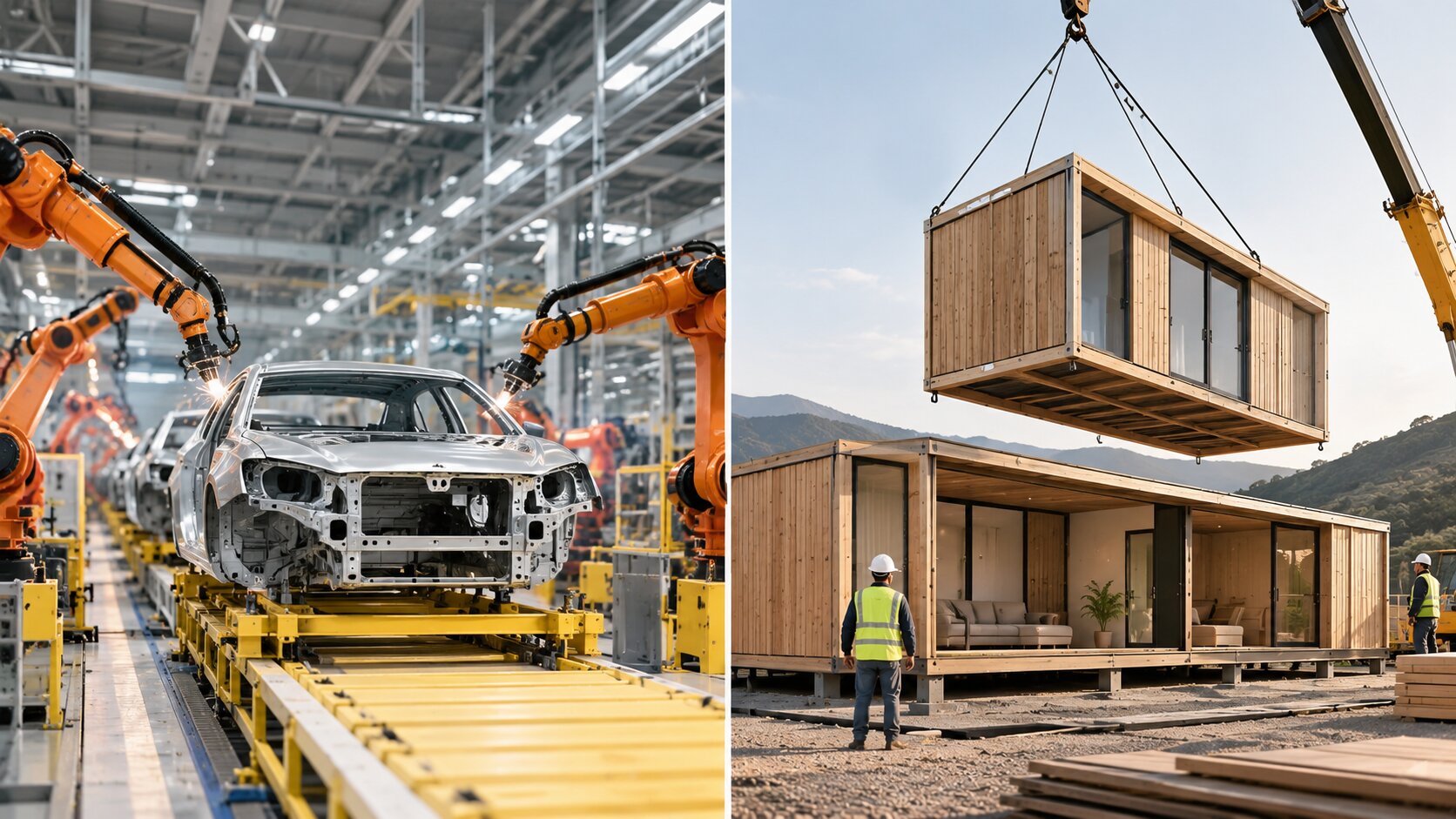
Think about how a car is built. Every component is carefully engineered, manufactured in a controlled environment, tested for quality, and assembled using a repeatable process. The result is consistency, whether it's the first car or the thousandth. Traditional construction has followed a very different path. Most homes are built almost entirely on-site, where weather, changing site conditions, and unexpected delays can all affect the construction process. That's one of the reasons the industry is beginning to rethink how buildings are made.
Building with precision
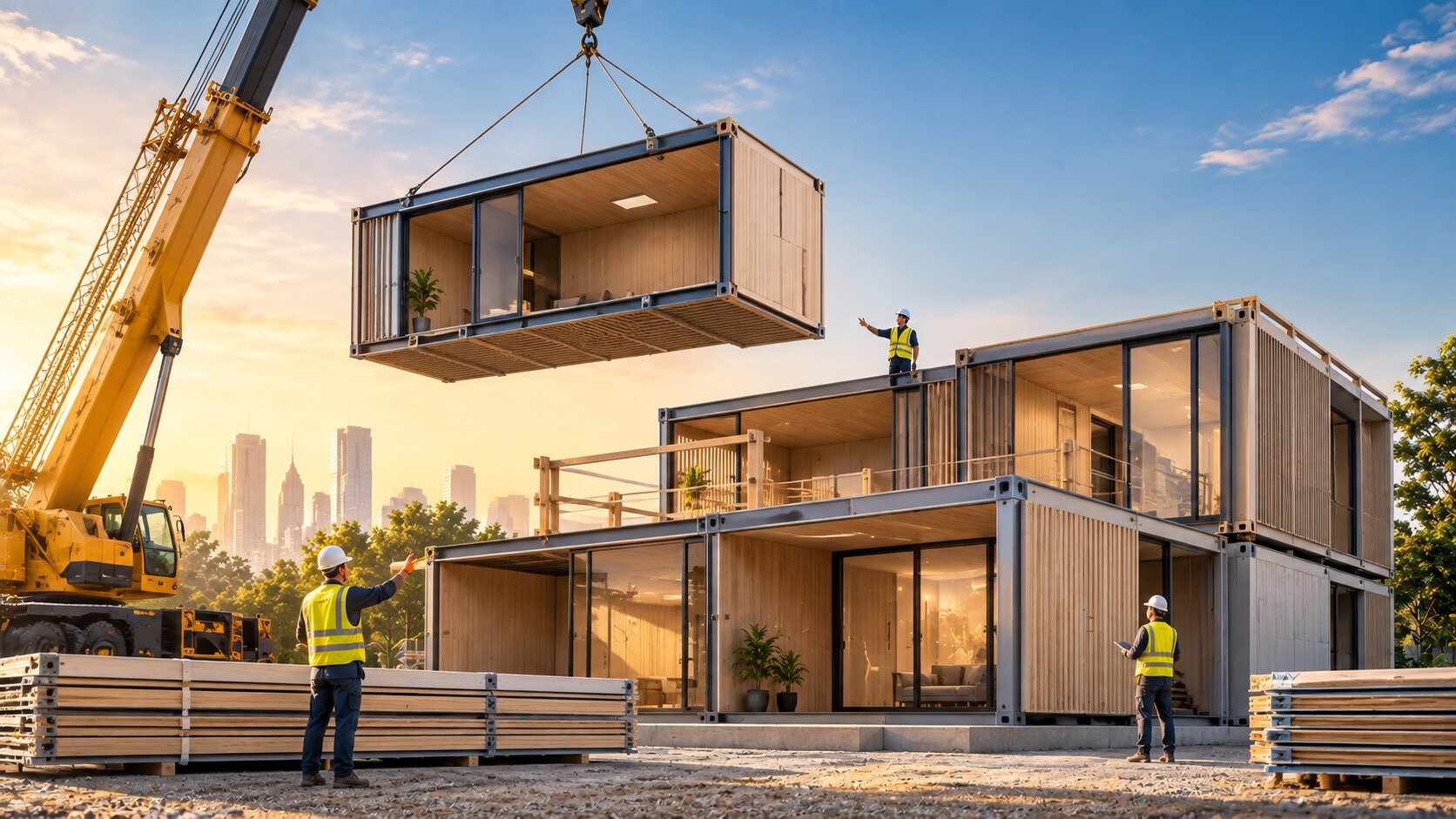
Modular construction borrows many ideas from modern manufacturing. Instead of building everything on-site, major sections of a home are produced in a controlled factory environment before being transported for final assembly. This allows every component to be measured, manufactured, and inspected with greater consistency than is often possible on a traditional building site.
Quality isn't left to chance
One of the biggest advantages of factory production is control. Materials are protected from weather, manufacturing follows consistent processes, and every stage can be checked before the building leaves the factory. Rather than relying on site conditions, quality becomes part of the production process itself.
Faster doesn't mean rushing
People often associate faster construction with cutting corners, but modular construction works differently. Because manufacturing and site preparation happen at the same time, projects can move forward more efficiently without compromising quality. Once delivered, modules can often be assembled in just a few days, reducing disruption while keeping projects on schedule.
Less waste, more efficiency
Factory manufacturing also improves how materials are used. Precision cutting reduces unnecessary waste, while efficient production helps make better use of resources. When combined with renewable materials such as engineered bamboo and timber, modular construction supports a more sustainable approach to building.
A new way to think about housing
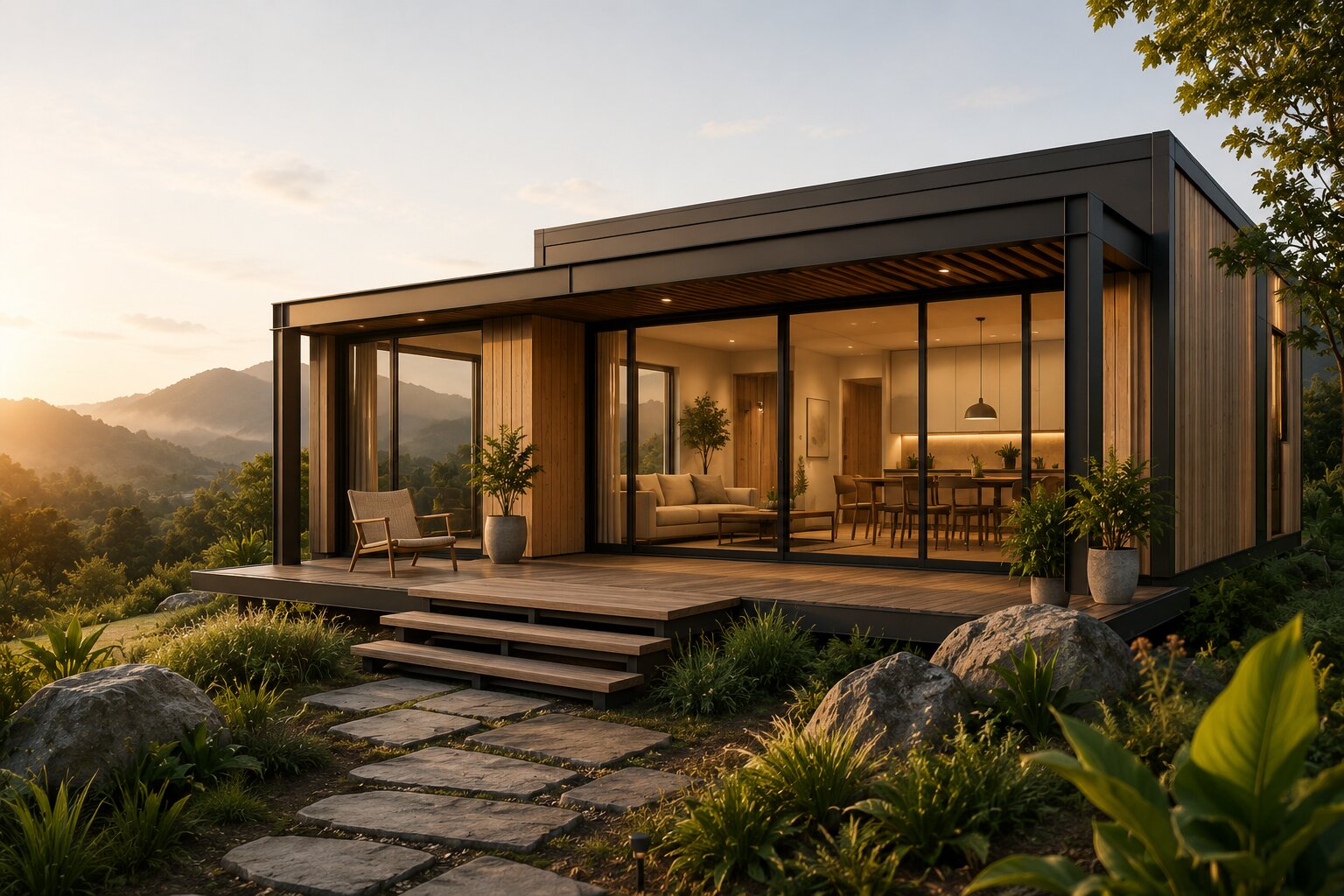
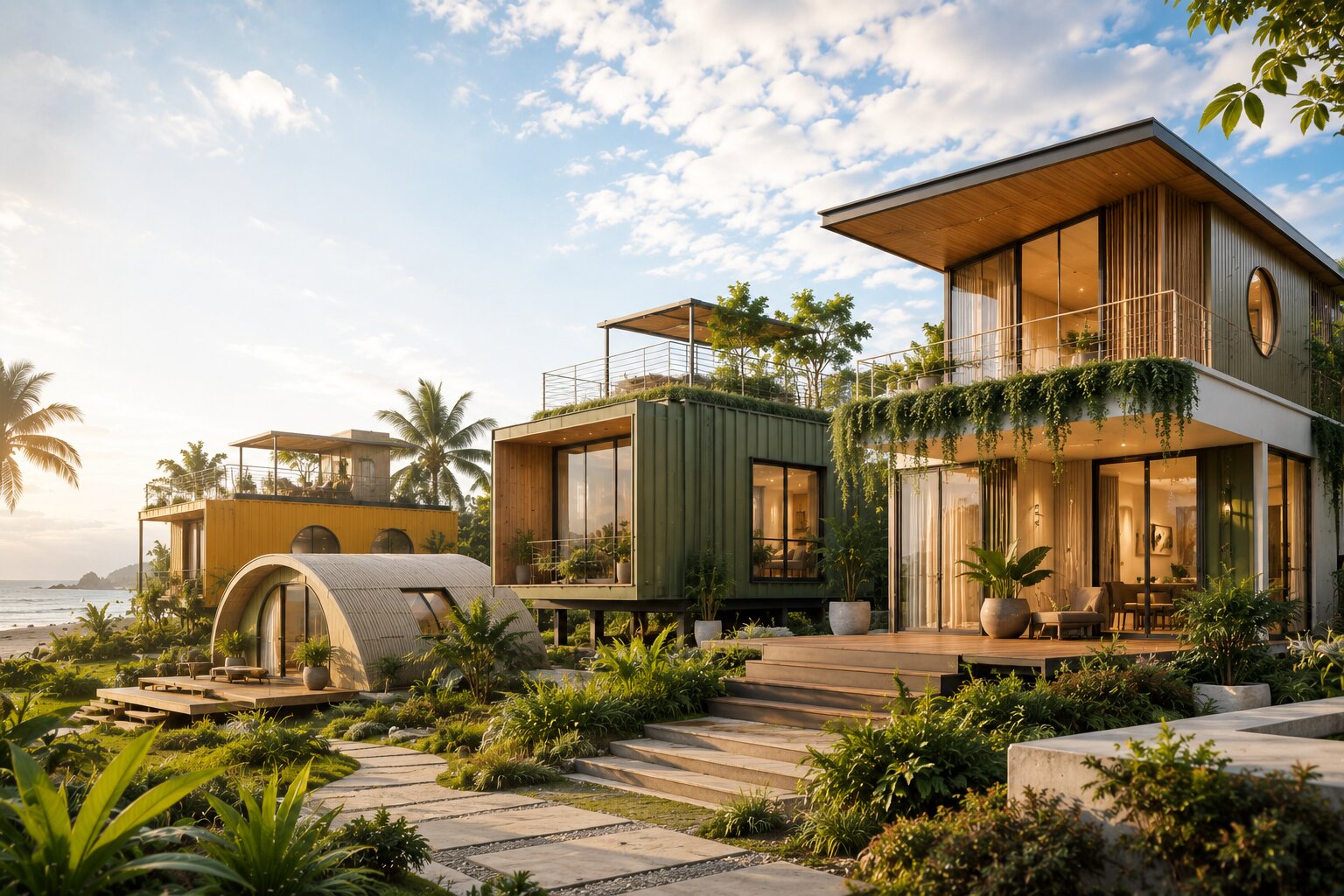
Homes will always be personal, but the way they're built doesn't have to remain the same. By applying proven manufacturing principles to construction, modular building creates homes that are more consistent, efficient, and sustainable. Much like the automotive industry transformed how vehicles are made, modular construction is reshaping the future of housing.