Every project has its own story
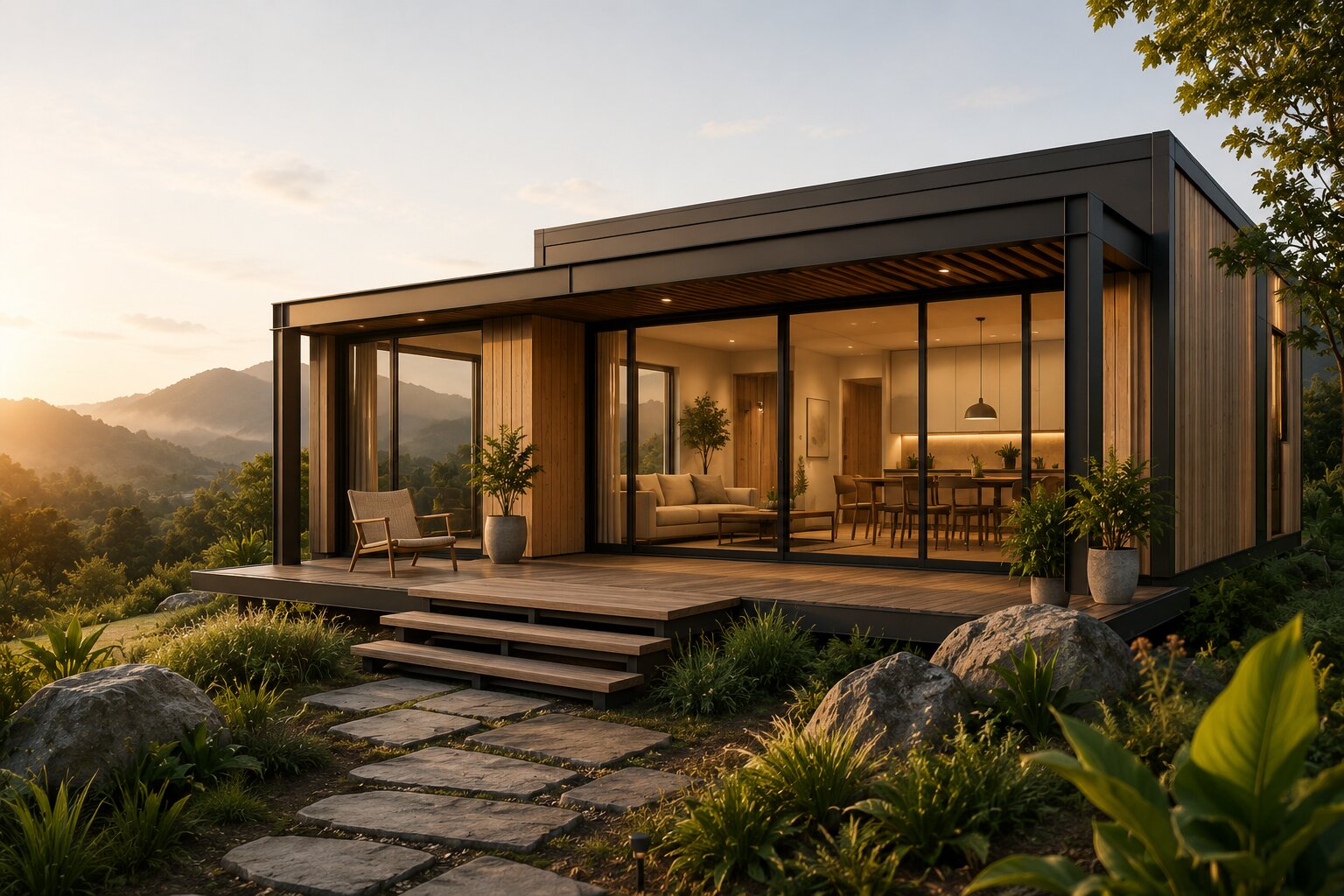
There is no universal definition of the perfect home. A compact holiday cabin may need very different features from a permanent family residence, while a school or workforce accommodation project introduces an entirely different set of requirements.
Location changes everything
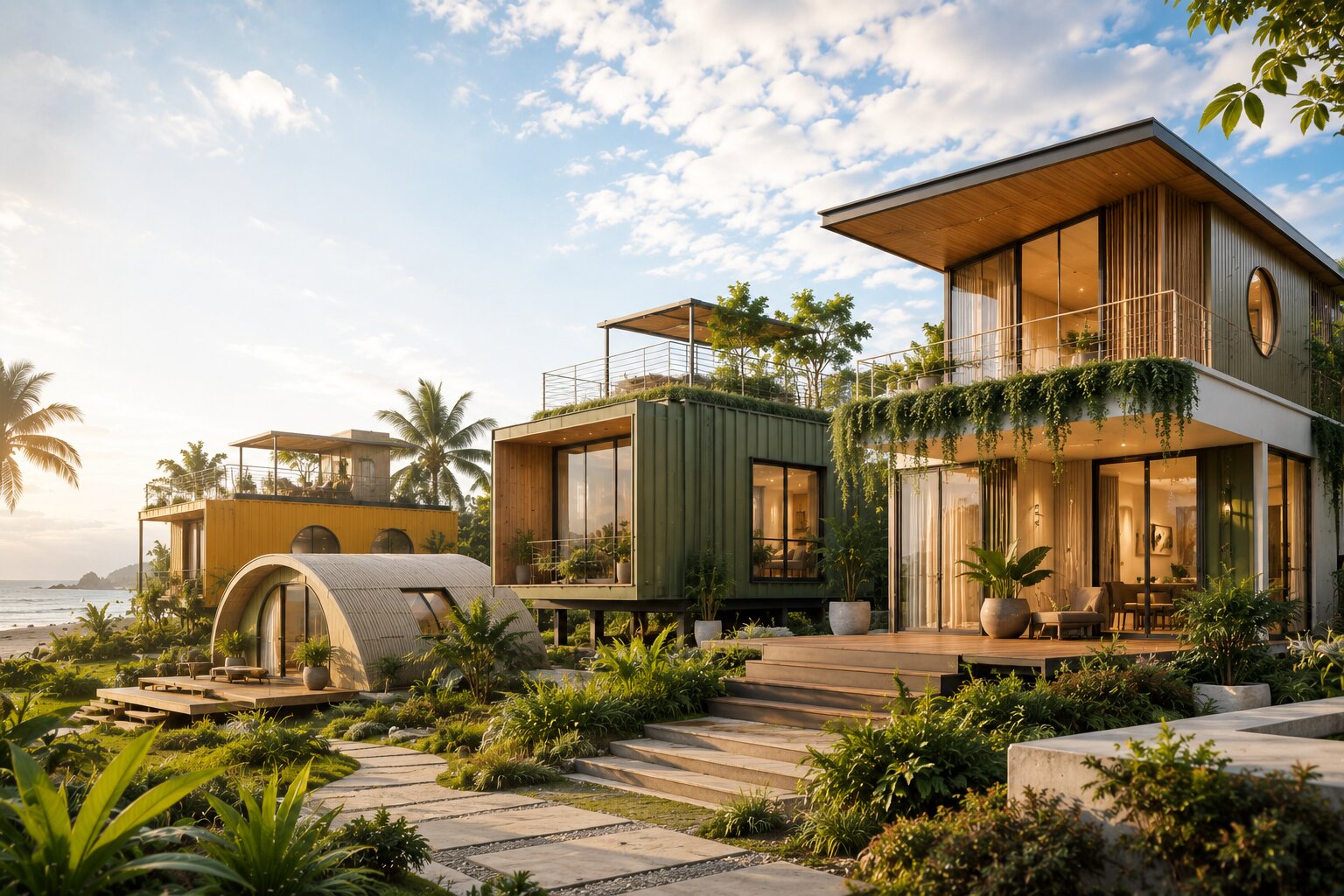
Climate and surroundings should influence how a building performs. A design intended for a cold climate may priorities insulation and thermal performance, while a tropical project may place greater emphasis on natural ventilation and passive cooling. JERRNI's research highlights climate-specific design as an area where the modular housing market still has room to improve.
Different materials, different strengths
Bamboo, timber, and steel aren't competing versions of the same thing. Each has its own characteristics and applications. Bamboo brings renewable credentials and a distinctive architectural character, timber offers thermal performance and natural warmth, while steel provides structural strength and durability.
Design should remain personal
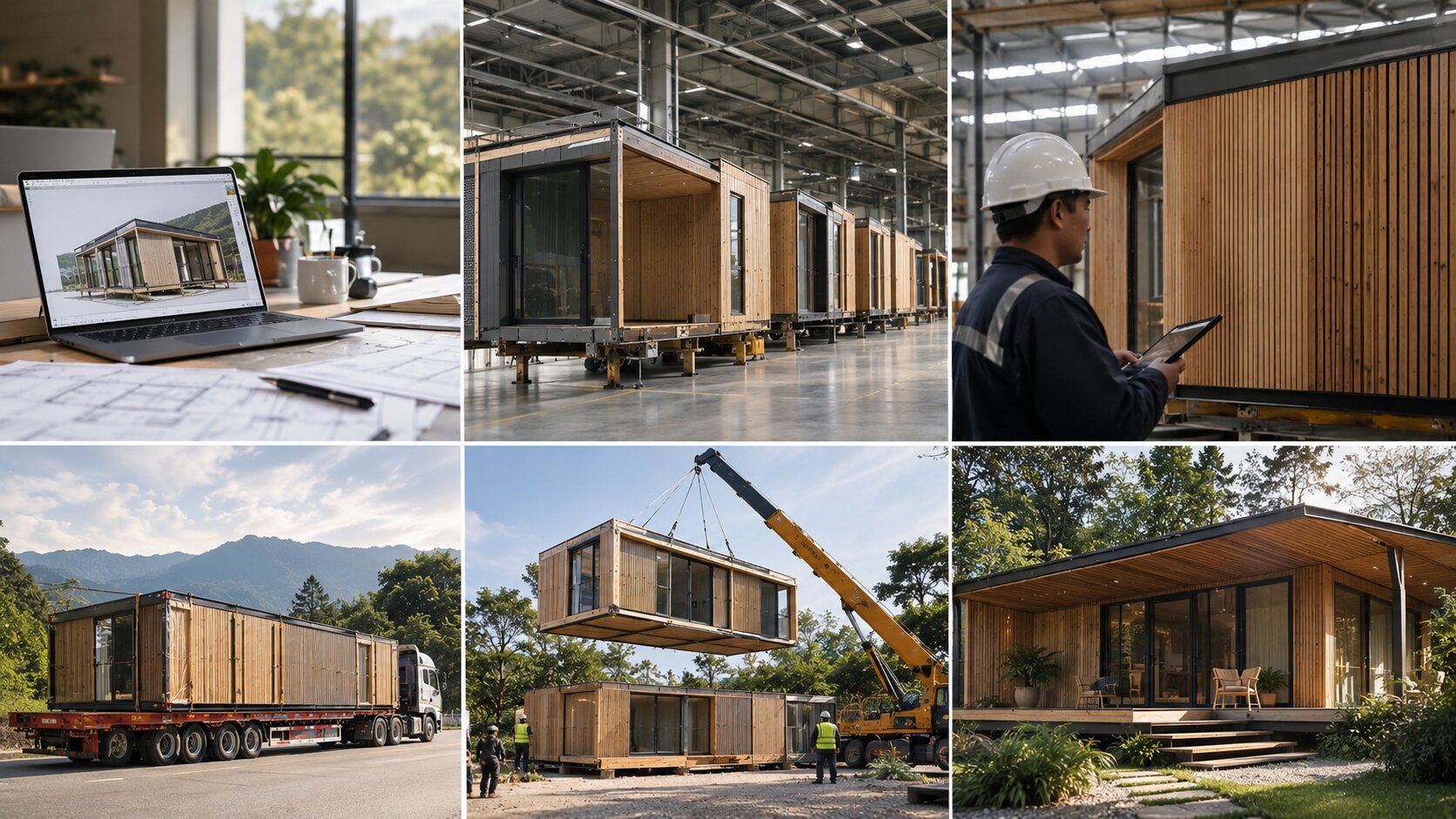
Modular doesn't have to mean identical. JERRNI's architects can work across modern, minimalist, Scandinavian-inspired, tropical, contemporary, and custom designs, allowing the architecture to respond to the client's vision rather than forcing every project into the same style.
Flexibility shouldn't stop at the floor plan
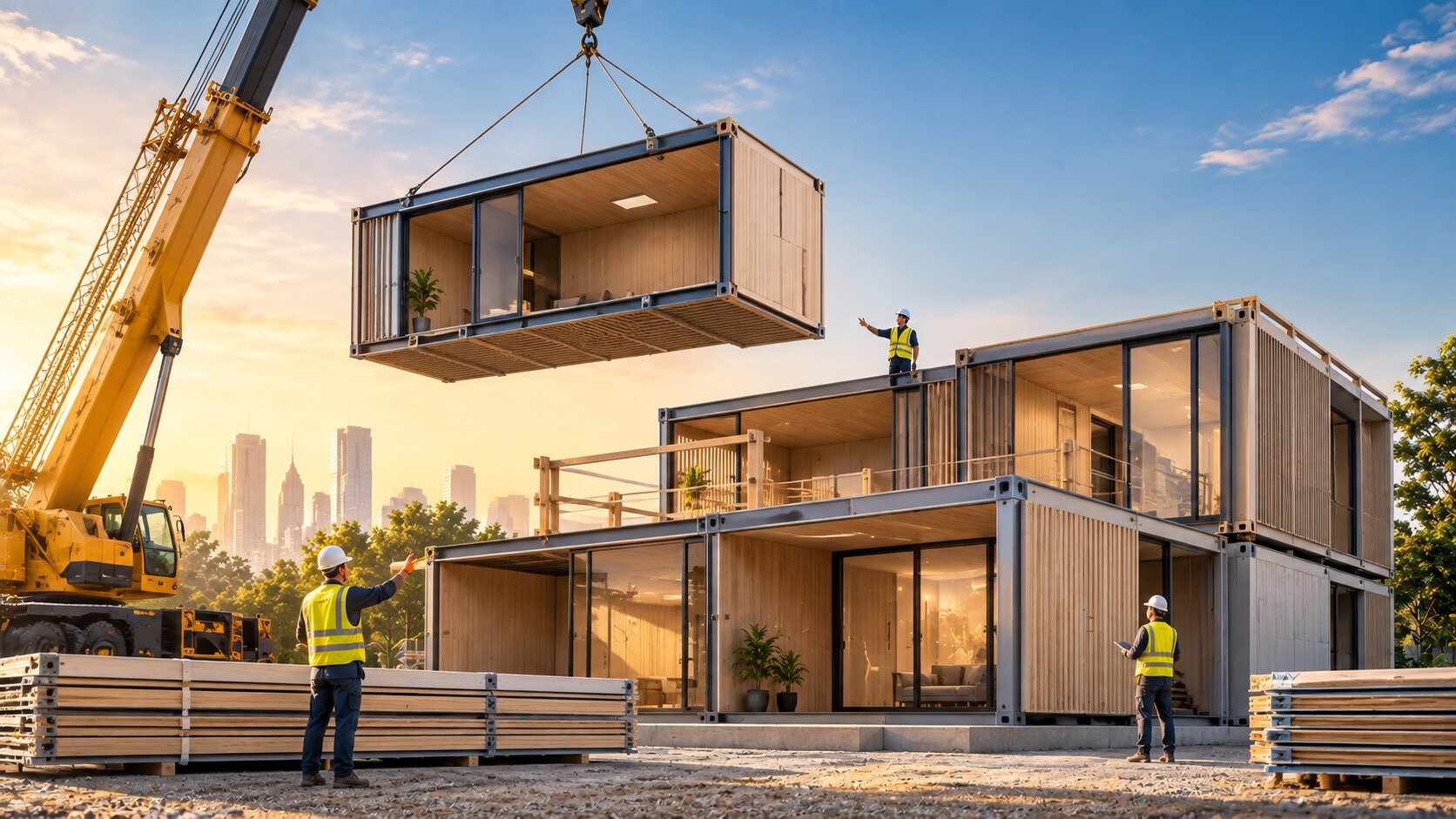
Personalization can extend to how a building grows. Expandable layouts allow additional space to be incorporated as needs change, giving modular construction a level of adaptability that can be valuable over the long term.
One platform, many possibilities
JERRNI's approach is built around giving clients options. With bamboo, timber, and steel solutions available through one platform, the starting point can be the project's requirements, not a single predetermined construction system.